Najmaldin Karim Webinar Series
In the last four years, the Kurds experienced setbacks in their homeland divided by four countries.
In Iran, the Kurdish opposition was often the target of the Iranian regime’s missile attacks, and the Kurdistan region of Iran continues to suffer dire political and economic pressure from the Iranian regime. Concurrently, the Trump administration continued Obama’s 2015-policy of not holding talks with any Iranian opposition groups including the Kurds.
In Iraq, in the aftermath of holding an Independence Referendum, the Kurds lost half of the Kurdish region known as the “disputed territories.” The US administration’s rejection of the referendum emboldened the Iranian-backed militias and the Iraqi government to attack the Kurds.
In Syria, as the Kurds wrapped up the fight against ISIS terrorism, the Trump administration allowed Turkey and its proxies to invade the Kurdish region known as Rojava. As a result, the Kurds suffered tremendous losses in lives and a large swath of territories.
In Turkey, the Turkish government crackdown on the Kurds both militarily and politically has been considered the most brutal since the establishment of the Turkish state. Turkey’s President Recept Tayyip Erdogan continues to jail and sack the elected Kurdish officials amid the lack of a clear policy toward Turkey by Trump’s administration.
President-elect Joe Biden is no stranger to the Kurds since most have dealt with the Kurdish issue as early as the 1990s. However, the question remains, what Kurds should expect of the Biden presidency? How the Kurdish leaders should prepare for more understanding with the new administration? Would the Biden administration be any different in approaching the states with Kurdish populations? And more addressed by our distinguished speakers.
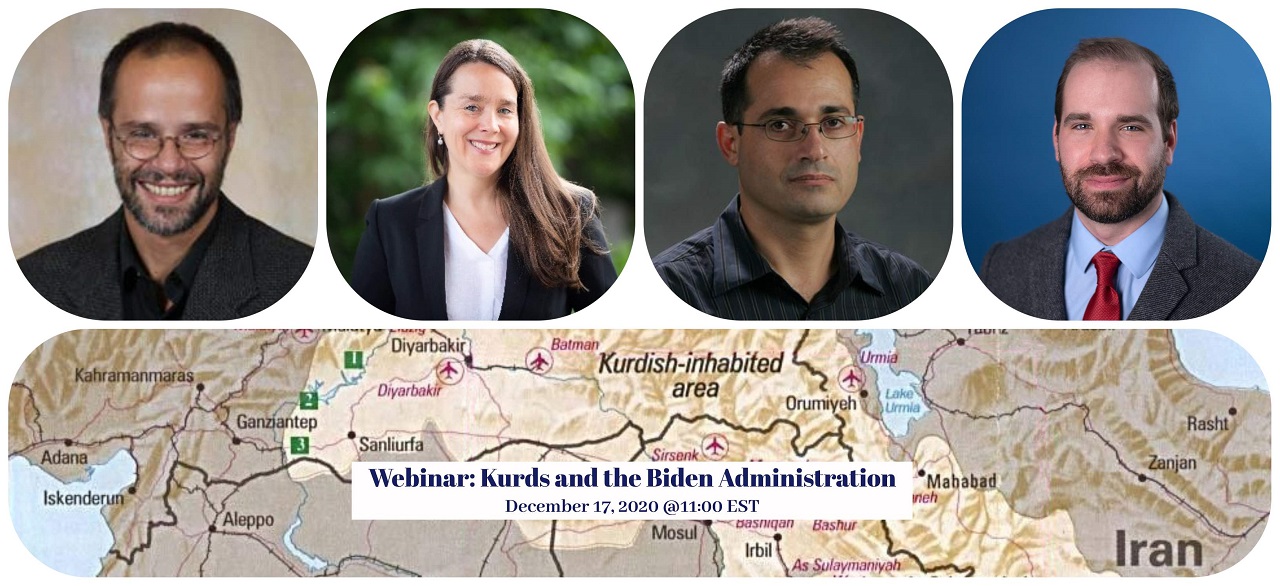
Speakers:
Dr. David Romano- Professor of Middle East Politics at Missouri State University. Click for opening remarks and recommendations
Dr. Amy Austin Holmes- International Affairs Fellow at the Council on Foreign Relations and Middle East Fellow at the Wilson Center. Click for opening remarks and recommendations
Dr. Mehmet Gurses- Associate Professor of Political Science at Florida Atlantic University. Click for opening remarks and recommendations
Philip Kowalski- Turkish foreign policy, Kurdish rights, and Turkey’s involvement in the Syrian conflict. Click for opening remarks
About Speakers:
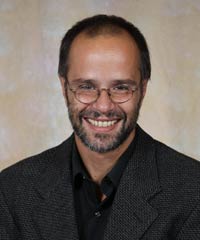
Dr. David Romano is a Thomas G. Strong Professor of Middle East Politics at Missouri State University. He has authored numerous publications on the Kurds and the Middle East, including two books. His research interests cover nationalism, social movements, theories of peace and conflict, political violence, politicized Islam, Middle-East and Mediterranean politics (with a special emphasis on Turkey, Iraq, the Kurds and other Middle Eastern minorities) and foreign policy. Dr. Romano was a Rudaw columnist since 2010-2020.
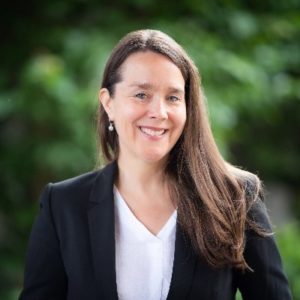 Amy Austin Holmes is currently a Visiting Scholar at the Middle East Initiative of Harvard University, a fellow at the Wilson Center, and International Affairs Fellow at the Council on Foreign Relations while on leave from her tenured position at the American University in Cairo. She has a PhD from the Johns Hopkins University. A former Fulbright scholar in Germany, she is the author of Coups and Revolutions: Mass Mobilization, the Egyptian Military, and the United States from Mubarak to Sisi (Oxford University Press 2019) and Social Unrest and American Military Bases in Turkey and Germany since 1945 (Cambridge University Press 2014). Having spent a decade living in the Middle East through the period known as the Arab Spring, she has published numerous articles on Turkey, Syria, Iraq, Egypt, Tunisia, and Bahrain. Professor Holmes is the first person to have conducted a field survey of the Syrian Democratic Forces (SDF) based on numerous trips to all six provinces of Northeast Syria between 2015-2019. Her current research is about governance challenges of the semi-autonomous Kurdish-led region of northern Syria. This includes a focus on the protection of minority groups as wel.
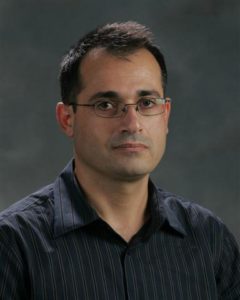
Mehmet Gurses is a professor of Political Science at Florida Atlantic University. His research interests include ethnic and religious conflict, post-civil war peace building, post-civil war democratization, and Kurdish politics. He is the author of Anatomy of a Civil War: Sociopolitical Impacts of the Kurdish Conflict in Turkey (University of Michigan Press, 2018) and co-editor of Conflict, Democratization and the Kurds in the Middle East (Palgrave Macmillan, 2014) and The Kurds in the Middle East: Enduring Problems and New Dynamics (Lexington Books, 2020). He has published extensively in journals including, International Interactions, Social Science Quarterly, Defense and Peace Economics, International Studies Perspectives, Party Politics, Conflict Management and Peace Science, Political Research Quarterly, and Comparative Politics.
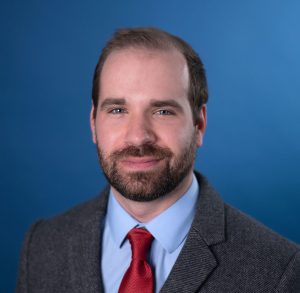 Philip Kowalski is Middle East Fellow at Young Professionals in Foreign Policy (YPFP). He studies Turkish foreign policy, Kurdish rights, and Turkey’s involvement in the Syrian conflict. He has written essays on international affairs for the Washington Kurdish Institute, OZY and the Middle East Institute, where he was a research assistant in 2019.
He completed his MA at the University of London’s School of Oriental and African Studies, with a thesis on “Reurbanization in Post-Genocide Southeastern Turkey (1925-1940).” Prior to attending graduate school, Philip lived in Turkey between 2012 and 2016. He holds a BA in History from the University of Cincinnati.